In the digital age, a company’s technology infrastructure goes beyond being just a support function; it serves as the foundation for innovation, customer experience, and operational flexibility. IT infrastructure encompasses all the hardware, software, networks, data centers, and services necessary to run and manage enterprise IT environments. As technology advances rapidly and cyber threats grow more sophisticated, numerous organizations encounter significant challenges in effectively managing this complex environment on their own.
The provision of professional IT infrastructure services can significantly enhance the operational efficiency of organizations. Instead of being bogged down by IT maintenance, companies can focus on using technology effectively by partnering with specialized providers. This article will explain what these services involve and outline six main benefits: improved operational efficiency, better security, significant cost savings, access to expert knowledge, easy scaling, and reliable support that is always available.
What are IT Infrastructure Services?
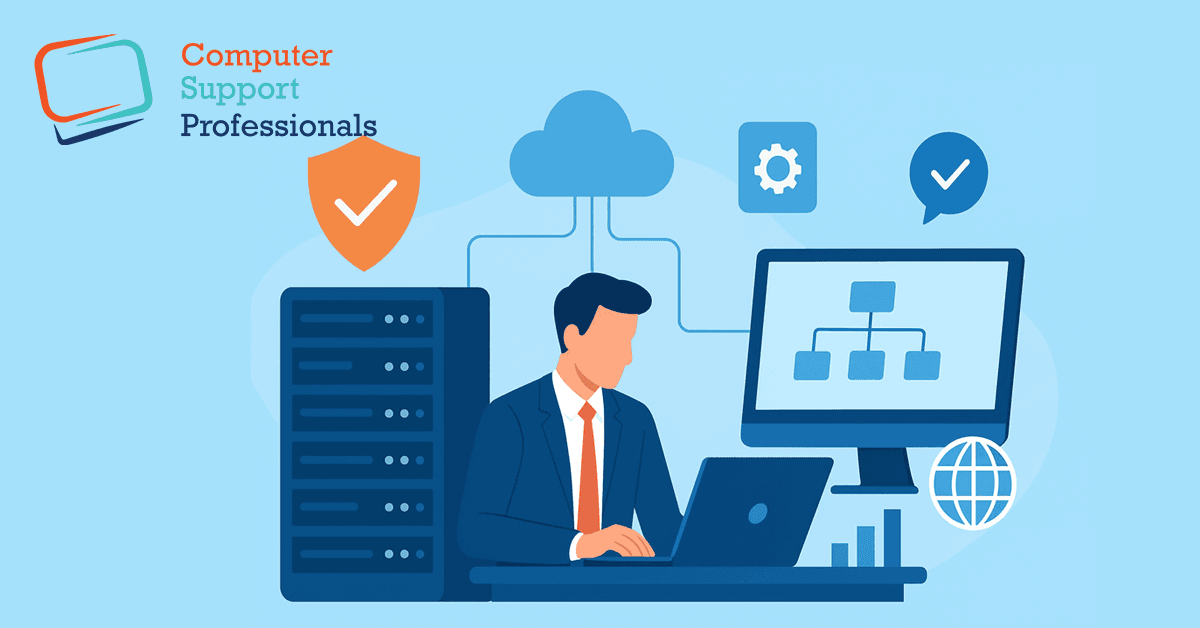
When we talk about IT infrastructure services, we refer to specialized administration and support for the fundamental components that comprise an organization’s information technology environment. These services are often outsourced. This is not merely about repairing faulty computers; rather, it is an all-encompassing strategy to ensure the entire technology foundation is resilient, secure, and aligned with the organization’s objectives.
These services may be provided through managed, cloud, or hybrid models and generally include the following:
Network Management:The design, implementation, and monitoring of local area networks (LANs), wide area networks (WANs), wireless networks, and internet connectivity are critical components of modern organizational infrastructure.
Server and Data Center Management:This encompasses the management of on-premises, cloud-based, or hybridserver environments, in addition to overseeing storage solutions and data center operations.
Cloud Services:This encompasses the migration, management, and optimization of public, private, or hybrid cloud platforms, including but not limited to AWS, Azure, and Google Cloud.
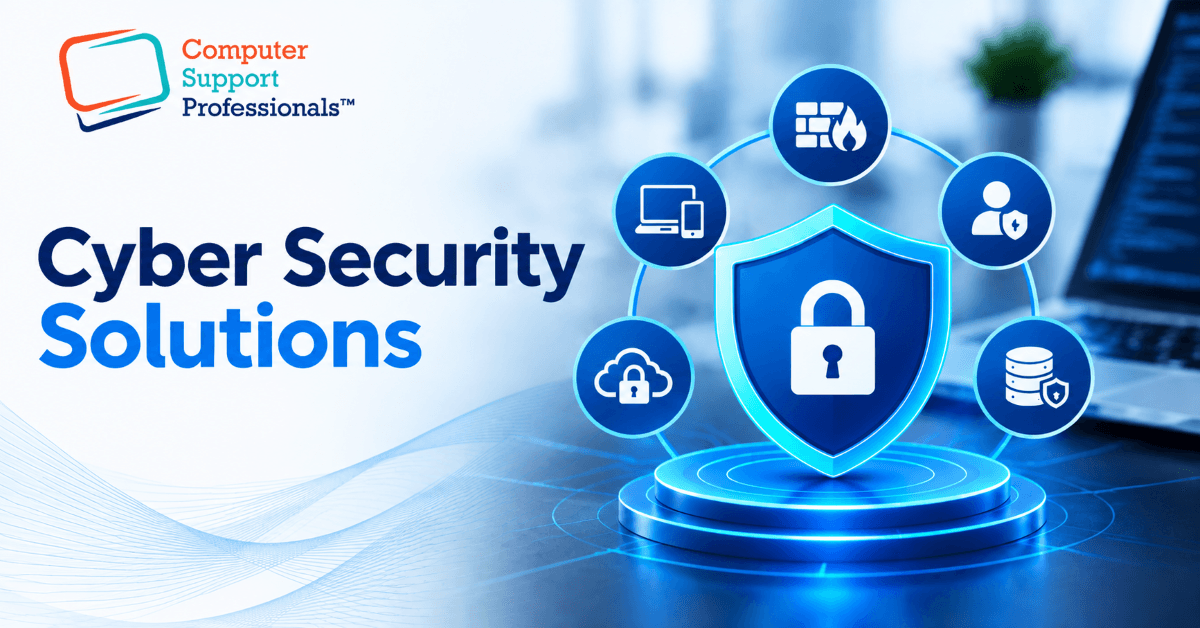
Cybersecurity: Proactive measures are undertaken to enhance security through the management of firewalls, the detection of intrusions, the assessment of vulnerabilities, the protection of endpoints, and the monitoring of compliance.
Desktop and User Support: We provide desk support, manage devices, and offer user training. Our goal is to improve productivity and enhance our user experience.
Backup, Disaster Recovery, and Business Continuity:We develop strategies to ensure data safety and facilitate rapid recovery from power outages or cyber threats.
Unified Communications: Managing voice, video, messaging, and collaboration tools is important for clear communication in organizations.
Our goal is to transform IT from a collection of assets that is static and capital-intensive assets into a dynamic and operational expenditure that generates a predictable return and strategic advantage.
Benefit #1: Enhanced Operational Efficiency
The immediate benefit of expert IT services is increased operational efficiency. Internal IT teams frequently allocate 70-80% of their time to routine maintenance, troubleshooting, and ensuring system functionality. This allocation leaves minimal opportunity for engagement in strategic initiatives that foster business growth.
Professional service providers assume responsibility for these routine tasks, implement industry best practices in the industry, and maintain continuous 24/7 system monitoring. This proactive approach results in:
Reduced Downtime:Proactive monitoring makes it easier to identify and resolve any problems at an earlier stage, which in turn helps to reduce the amount of time that the system is down.
Faster Problem Resolution:The engagement of specialized experts and the utilization of advanced tools considerably reduce the mean time to repair (MTTR).
Refocused Internal Teams:By alleviating the burden of urgent problem-solving, internal staff members can redirect their efforts toward the development of applications and solutions that enhance the organization’s competitive advantage.
Streamlined Processes:We create clear and efficient workflows for various functions, including user onboarding and change management, which help eliminate bottlenecks.
The result is a smoother, faster, and more resilient operation where technology accelerates work rather than hindering it.
Benefit #2: Stronger Security and Risk Management
Cybersecurity is the biggest concern for businesses today. The threat of landscape changes all the time, and one breach can lead to serious financial losses, damage to reputation, and legal issues. Many small and medium-sized businesses (SMBs) and some large companies do not have enough resources to maintain continuous security measures.
Professional IT infrastructure providers make security their core mandate. We offer:
Layered Defense:Multi-layered security protects your network, endpoints, apps, and data.Expert Monitoring and Threat Intelligence:Maintain continuous monitoring through a 24/7 Security Operations Center (SOC) that utilizes global threat intelligence to identify and mitigate emerging attacks.Proactive Compliance:Confirm that the infrastructure complies with regulatory standards such as GDPR, HIPAA, PCI-DSS, or SOC 2, while providing readily accessible audit documentation.Rapid Incident Response:A well-defined response plan and a team of specialists can swiftly contain and repair security concerns to minimize damage.
This methodology shifts the focus of security from a reactive firewall approach to a continuous process encompassing protection, detection, and response.
Benefit #3: Cost Savings and Predictable IT Spending
Professional IT infrastructure services change how businesses manage technology costs. Instead of unpredictable capital expenses, they provide a steady operational expense. Traditional in-house approaches often lead to high, unexpected costs for server replacements, emergency repairs, and software renewals. These costs can disrupt budgets and use money that could support business growth.
With a managed service model, businesses pay a consistent monthly fee that covers management, monitoring, and updates. This shift offers clear financial insights, making it easier to plan and eliminate surprises from hardware failures or necessary upgrades.
This model also saves money through better resource use. Service providers share the costs of advanced tools, bulk software, and skilled personnel among all their clients, giving businesses access to high-quality services at a lower price. Companies only pay for what they need, allowing them to adjust their spending based on business demands. This approach lowers overall ownership costs and frees up funds for projects that boost competitiveness and revenue growth.
Benefit #4: Access to Expert Skills and Advanced Technology
A professionalIT serviceprovider provides access to qualified cybersecurity, cloud architecture, and other professionals to bridge skill shortages. This approach saves money compared to hiring these professionals internally. As technology changes, the provider continually trains and certifies its staff to maintain their expertise.
They offer affordable tools, monitoring systems, and security solutions that would be too expensive to buy on your own. Their strategic advice guides your organization in choosing and using the right technology at the right time, based on their wide-ranging experience. This approach turns your IT capabilities into a strong, flexible advantage, allowing you to operate like a much larger organization.
Benefit #5: Scalability and Future-Proofing the Business
IT infrastructure services offer flexibility, enabling your technological resources to adjust based on business needs, such as seasonal changes or rapid growth. You can often make these changes easily, which helps avoid delays and high costs from new hardware purchases.
By having the service provider manage updates and maintenance, your business can steer clear of outdated systems. This partnership also aids in future planning, as experts guide your technology strategy to support emerging technologies like artificial intelligence (AI) and the Internet of Things (IoT). This ensures that your IT foundation is suitable for today and ready for the future.
Conclusion
In a world where technology is so important to business success, managing your IT system should never be a first thought. When you do things yourself, you might not instantly see the costs, security holes, and strategy limits that come with it. Providers of professional IT infrastructure services provide a compelling option, changing information technology from a cost center into a strategic asset.
The primary benefits are interrelated and highly significant. They contribute to cost reduction and the establishment of predictable budgets. Furthermore, they markedly enhance security and compliance, increase efficiency and productivity, and provide access to exceptional skills and innovative solutions. They also facilitate seamless scaling and ensure reliability and business continuity.
This partnership empowers business leaders and their internal teams to concentrate on their core strengths-advancing the mission, serving customers, and growing the business. Organizations can proceed with assurance, knowing that a modern and secure technological framework is efficiently managed in the background. The investment in professional IT infrastructure services is not merely an operational decision; rather, it constitutes a strategic necessity for any entity seeking to succeed in the evolving digital landscape.